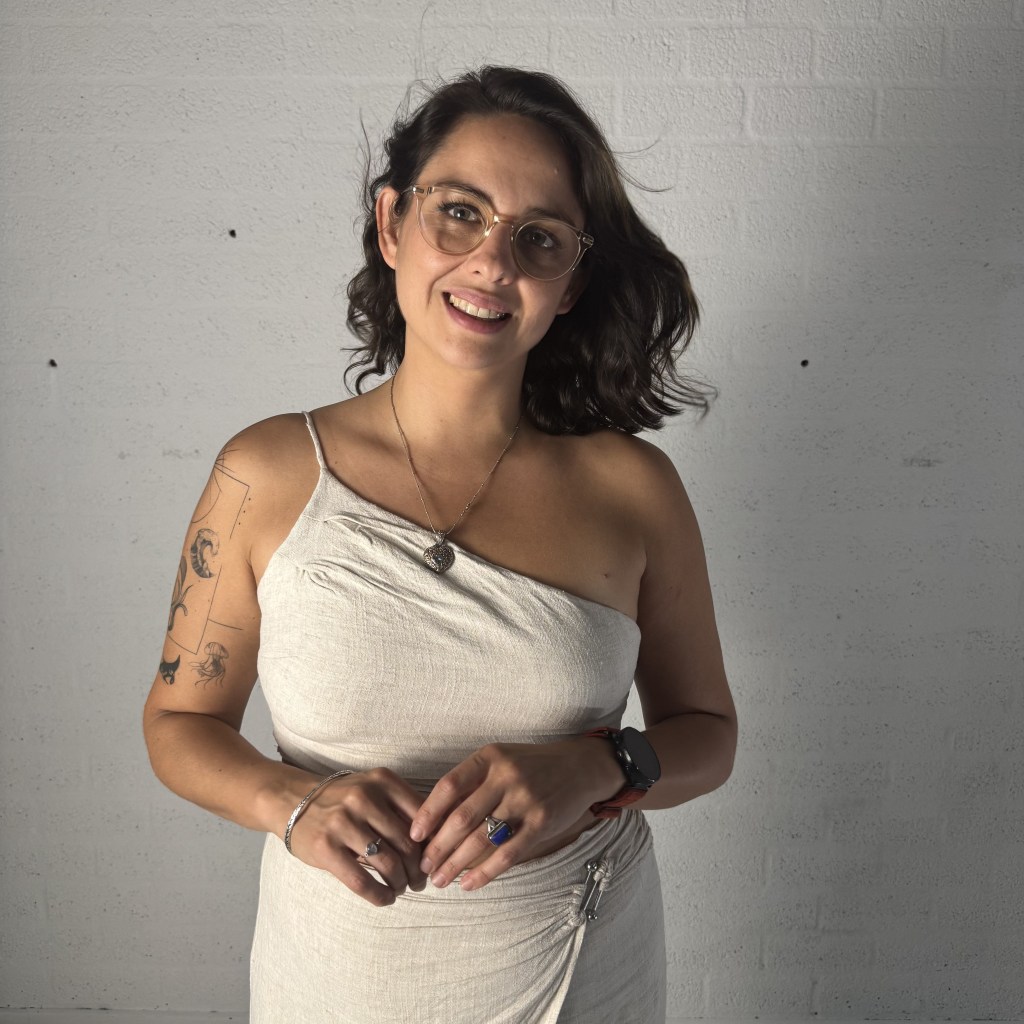
Dr. Andrea Chagas López
Transdisciplinary Researcher · Artist · Urban Storyteller
SECTION I
Research
“My work is guided by the commitment to epistemic justice and the democratization of knowledge: I believe knowledge should not be locked away in academic journals — it should walk the streets.”
RESEARCH PHILOSOPHY
Language does not merely describe the world. It is a tool to produce it.
It shapes whose voices are recognized, how belonging is negotiated, and which forms of knowledge acquire authority. My research begins with these relationships between language, power, and social reality.
As a transdisciplinary researcher, cognitive sociolinguist, and designer of participatory research methods, I work at the intersections of multilingualism, creolization, migration, postcolonial inquiry, art, and public dialogue. I explore how linguistic practices acquire social meaning, how they circulate across communities and institutions, and how they shape recognition, participation, and contemporary urban life.
I understand research as a collaborative practice—not as the extraction of knowledge from communities. By combining sociolinguistic research with ethnographic, artistic, and participatory methods, I create spaces in which academic, artistic, professional, and lived forms of knowledge can meet, challenge one another, and generate new questions.
My work moves across universities, museums, civil-society organizations, municipalities, and cultural networks. It takes the form of scholarly publications, but also of exhibitions, podcasts, maps, stories, and public conversations. These are not simply formats for communicating completed research. They are themselves sites of inquiry and knowledge production.
For me, art is never merely decoration. It is a method of inquiry, a form of encounter, and the beginning of an argument. Art can make structures visible, unsettle familiar categories, and open conversations that conventional academic formats cannot always hold. My own artistic practice is participatory, process-driven, and—at its best—productively uncomfortable.
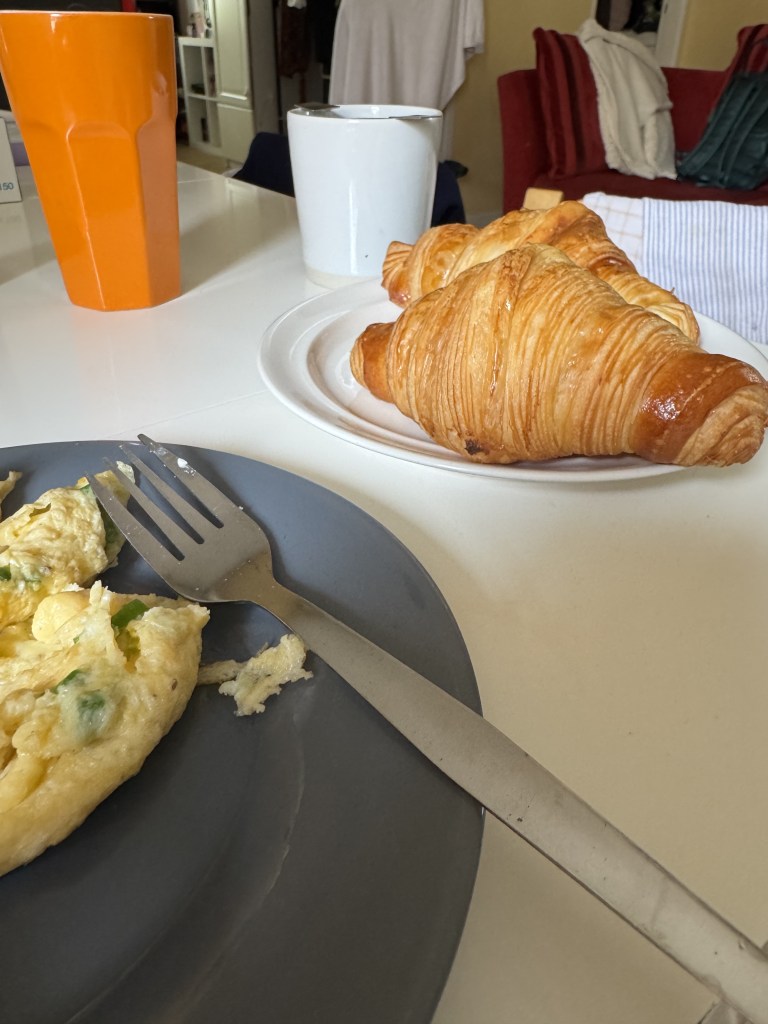
And yes, I love croissants: proof that patience, layers, and a little butter can transform complexity into something extraordinary. Not a bad metaphor for research, either.
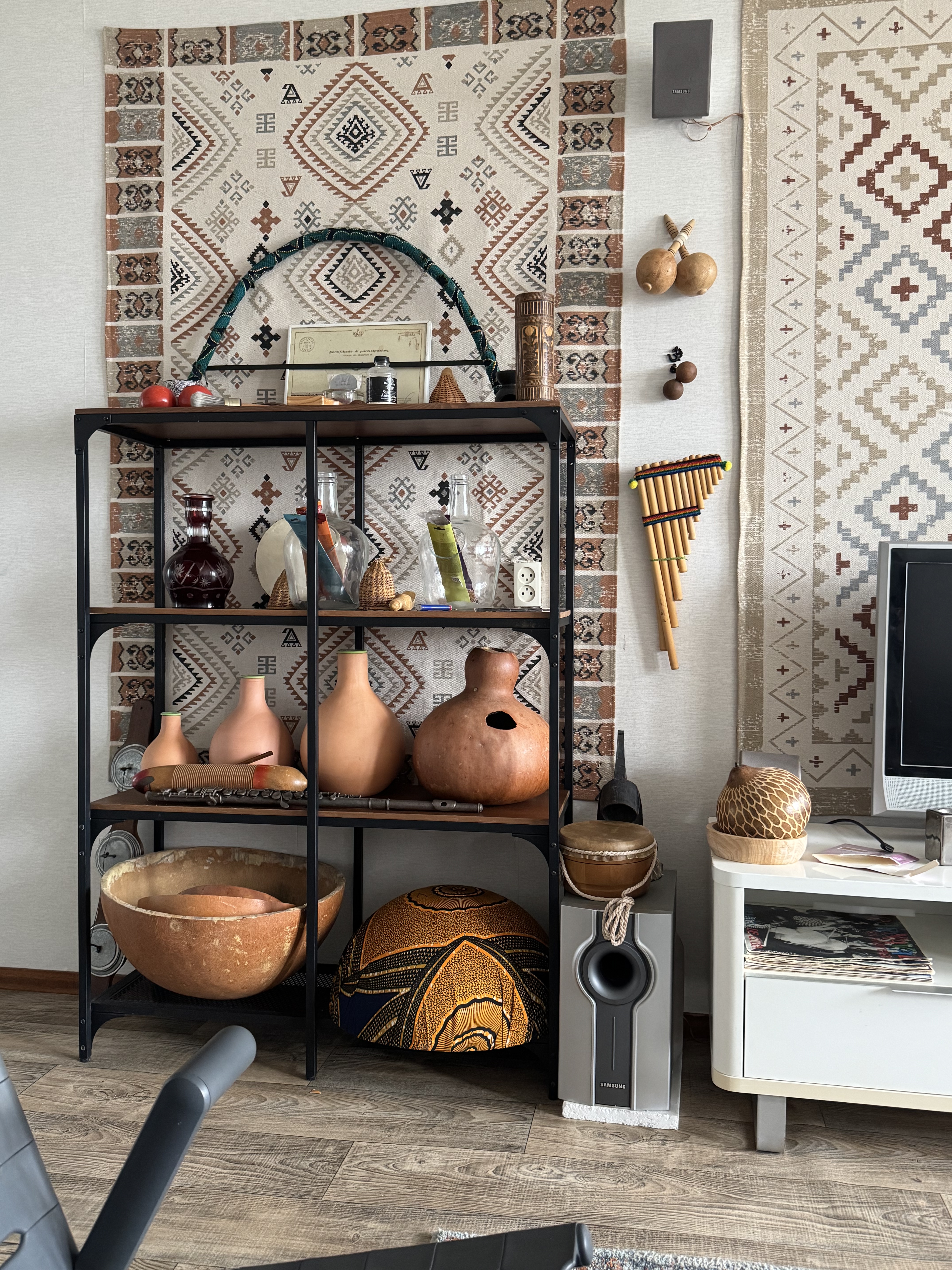
Creativity in Contact
my research explores how we perceive and how we produce language in multilingual, postcolonial and post migrant settings. I am currently working on exploring how multilingual individuals and societies creatively exploit their linguistic resources in order to depict their superdiverse living realities. This research focuses on creole languages and cultures and examines their practices in the Caribbean and Europe
#papiamentu #kursou #rotterdam
Borderless Voices
with my knowledge transfer formats I am trying to make my research accessible to a broader audience – I organize workshops, curate exhibitions and create podcasts (…)
“my commitment is to research that travels, that listens, and that returns something meaningful to those who share their stories’
SECTION II — CREATIVE PRACTICES
Art
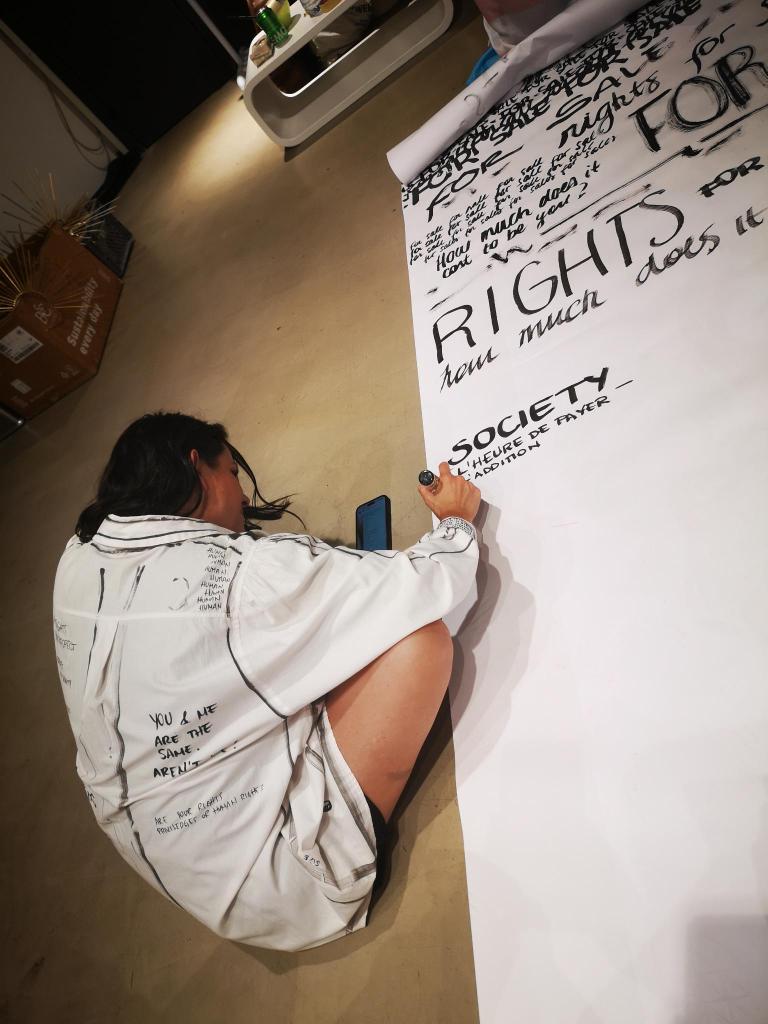
“Alongside my scholarly work, I make art. Not as a hobby — as a method.”
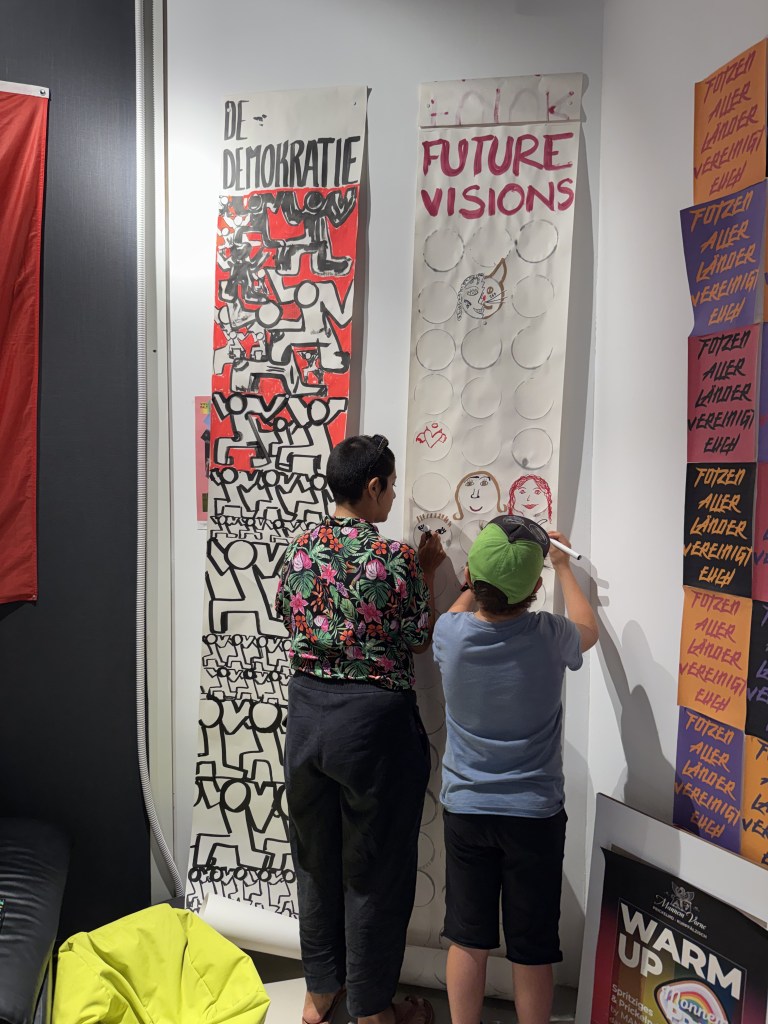
I approach art not merely as an object to be observed, but as a practice of encounter—between people, histories, and different ways of knowing.
I create participatory art — work that invites people in rather than holding them at a distance. My practice turns research questions into shared experiences, where meaning is made collectively and knowledge becomes something you can touch, move through, and remake.
SECTION III — THE BLOG
Croissants
Research & Art Bites
“And yes I love croissants. They are perhaps my most honest metaphor.”
Because knowledge, like a good croissant, takes time, precision, and passion — and is best shared.
RESEARCH
On Creativity and Croissant Dough
What lamination taught me about patience in research.
Read more →
ART
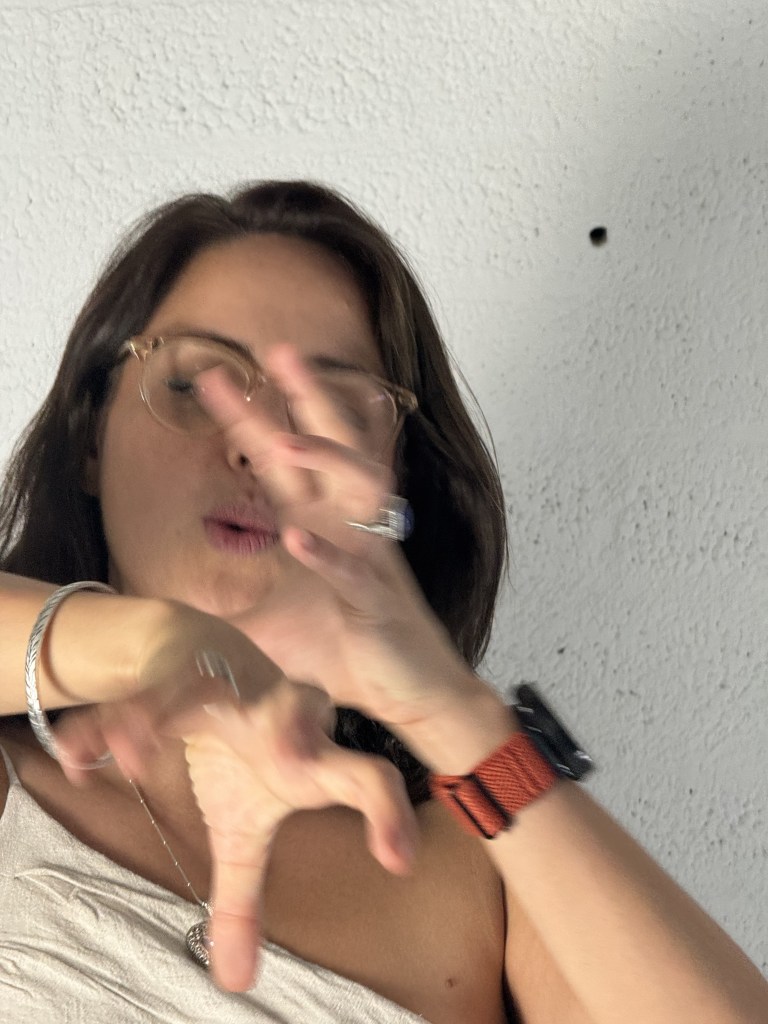
Field Notes from the Studio
What being in front of the camera taught me about being recorded and research

